
eSIM vs. Physical SIM: Which Is Right for Your Lifeline Phone?
Bringing your own device? Here's how eSIM and physical SIM cards compare, and how to know which your phone supports.
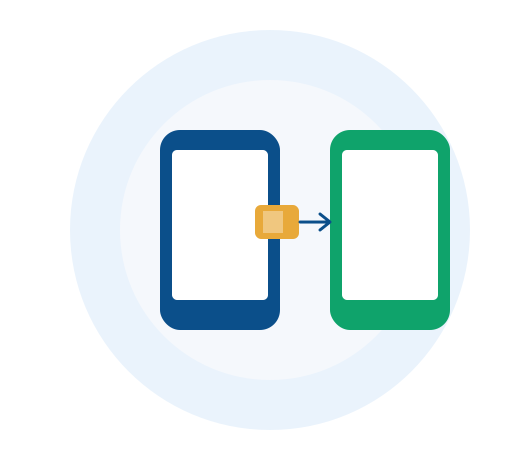
What's the difference
A physical SIM is a small removable card you insert into your phone; an eSIM is a digital SIM profile built into newer devices that's activated entirely through software, with no physical card involved.
Advantages of eSIM
- Instant activation — no waiting for a card to arrive in the mail
- No SIM slot to lose or damage
- Easier to switch providers digitally, without a physical swap
Advantages of physical SIM
- Works with a much wider range of older or budget devices
- Simple to move between phones by hand if you swap devices often
- No dependency on a strong initial internet connection to complete activation
Which should you choose
If your phone supports eSIM (most phones from the last several years do) and you want the fastest possible activation, eSIM is usually the better pick. If you're using an older device or prefer a physical backup, a standard SIM card remains a reliable, widely compatible option.
Related pages on Free Phone Wireless
More Guides

How to Check Your Lifeline Application Status
Submitted your application and wondering what's next? Here's how to check where things stand and what each status actually means.
Read More
Is ACP Still Available in 2026?
Short answer: no. Here's exactly what happened to the Affordable Connectivity Program, and what to do if you were relying on it.
Read More
The 5G Revolution: How 5G Is Transforming Connectivity in the U.S.
5G isn't just a faster version of 4G — it's a different kind of network. Here's what's actually changed, and why it matters for your phone plan.
Read More